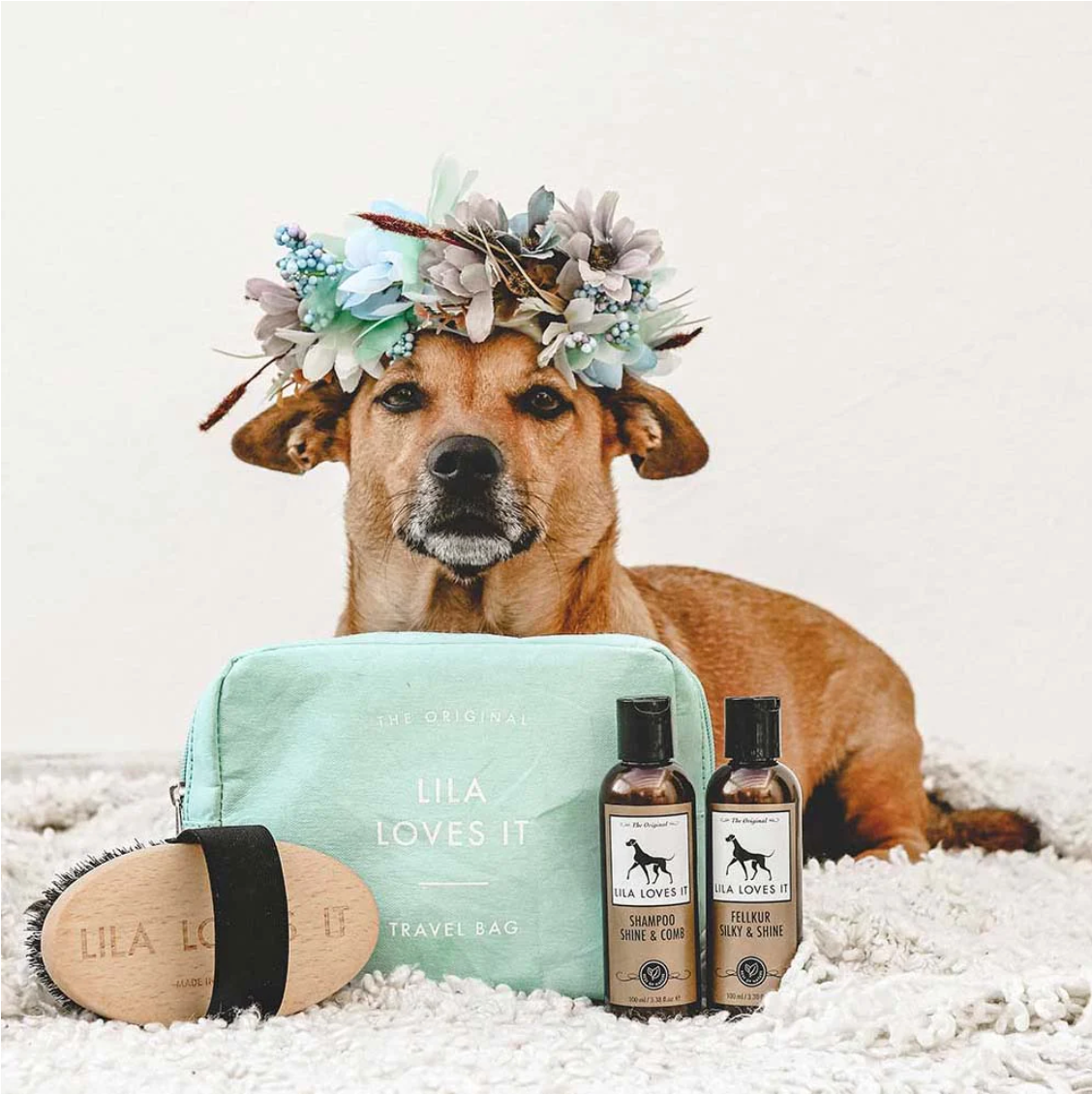

Questions and answers from a dog expert on the topic of dog shampoo

questions and answers
Generally speaking, a high-quality dog shampoo should be specifically formulated to match the pH level of a dog's skin to prevent irritation. If your dog has sensitive skin or is prone to allergies, it's advisable to use a hypoallergenic shampoo. For dogs with long or thick coats that are prone to matting, a shampoo with detangling ingredients is recommended. These help condition the coat during washing and prevent knots, making subsequent brushing easier.
Another important aspect is using shampoos with natural ingredients that are gentle on the skin while keeping the coat shiny and healthy. Avoid shampoos containing strong fragrances or chemicals, as these can dry out your dog's skin. After bathing, thoroughly dry your dog with an absorbent dog towel and, if necessary, use a dog bathrobe to keep their coat warm and dry.
Question 1: How often should I bathe my dog and what role does coat care play in this?
How often you should bathe your dog depends on various factors, such as coat type, activity level, and overall health. Generally, bathing dogs every four to six weeks is sufficient, unless they become very dirty or start to smell unpleasant. For dogs with sensitive skin or specific skin conditions, it may be advisable to consult your veterinarian to create a customized bathing schedule.
Between baths, grooming plays a crucial role in keeping your dog's coat clean and healthy. Regular brushing with a suitable dog brush helps remove dirt, loose hair, and dead skin cells. For long-haired dogs, frequent brushing is essential to prevent matting. After bathing, thoroughly dry your dog's coat with a dog towel and use a dog bathrobe to speed up drying and keep the coat warm. Careful drying prevents the skin from remaining damp, which could otherwise lead to skin irritation.
Question 2: What can I do if my dog doesn't like bathing?
It's not uncommon for some dogs to find bathing unpleasant or even afraid of it. To make bathing more enjoyable for your dog, you can gradually acclimate them to the process. Start by gently introducing your dog to the water in a calm environment. It can help to stroke them beforehand with a dog brush and soothe them. Use praise and rewards to create a positive association with bathing.
Another helpful tip is to use non-slip mats in the bathtub or shower to make your dog feel more secure. Use lukewarm water and a mild dog shampoo to make the experience as pleasant as possible for your dog. After the bath, dry him immediately with a warm, absorbent dog towel. A dog bathrobe can also be helpful to keep your dog warm and help him dry faster. Patience and positive reinforcement are key to helping your dog get used to bath time.